Clay Tile Roofing in Newbury & West Berkshire
Roofers for West Berkshire — repairs, re-roofs, flat roofs and leadwork. Free surveys, fixed written quotes, tidy workmanship.
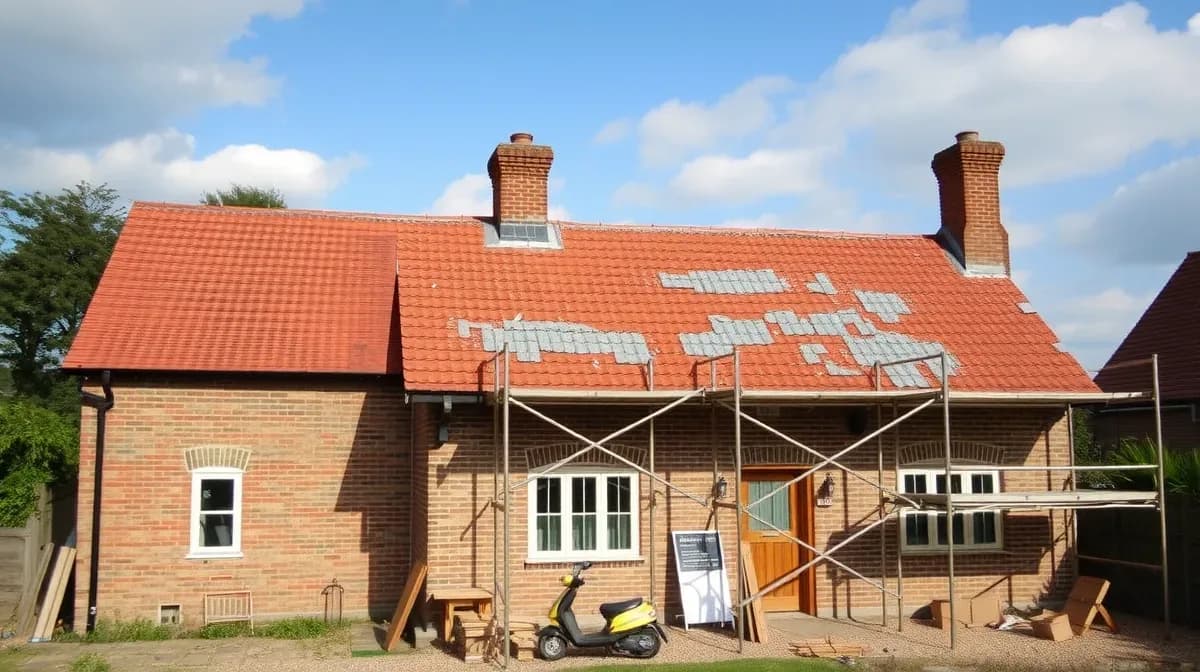
Newbury Roofing Company works on clay tiled roofs across West Berkshire — the brick-and-flint cottages through Chieveley, Boxford and Yattendon, the older houses in the Kennet and Lambourn valleys, and the Victorian villas around Newbury town centre. Handmade and machine-made clay plain tiles, peg tiles, reclaimed matching, torching and lime detailing.
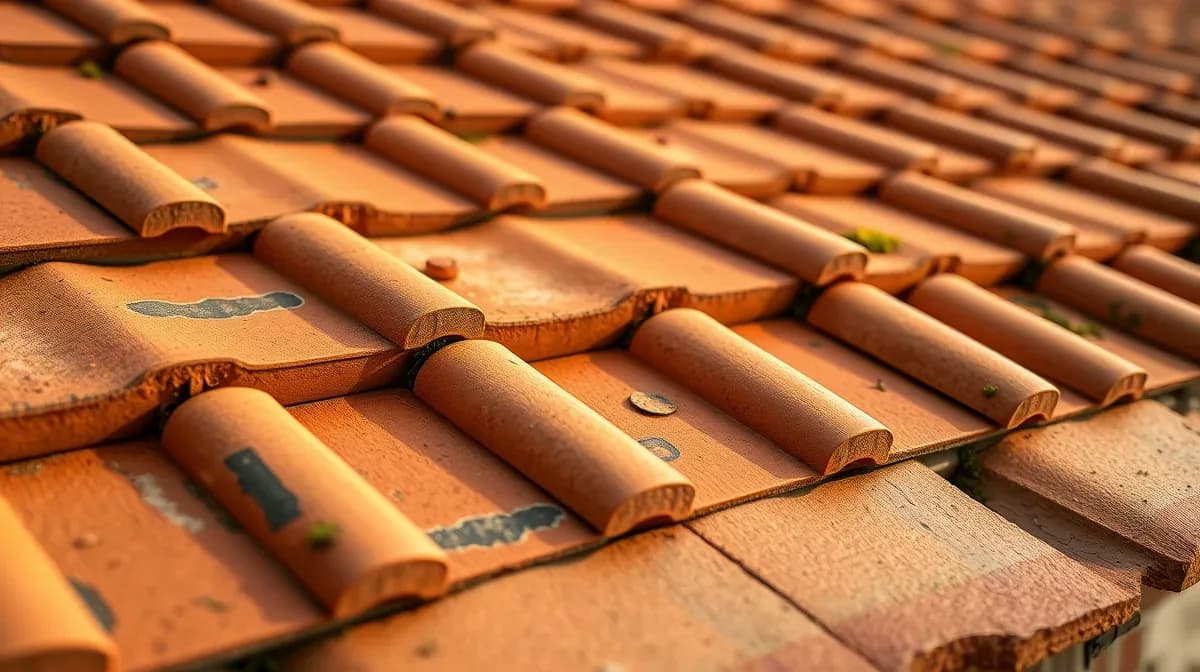
A clay peg tile roof is a different animal from a modern interlocking one. No clips, no interlocks, and on the old ones no felt at all. It sheds water by overlap alone, and does that for a century and a half provided nobody modernises it with the wrong materials.
How these roofs are actually built
Two courses deep everywhere, each tile hung on riven oak pegs or nibs over laths, with a camber so wind cannot suck rain up between the joints. Above the ceiling there was often torching — haired lime mortar buttered along the underside of the tiles from inside the loft, sealing the gaps against driving rain while letting the timber dry out. The whole roof is designed to get damp and dry again, which is why bitumen felt and cement seal the moisture in and rot the battens.
Handmade clay plain tiles
Sand-faced, real camber, irregular edges — Tudor, Keymer and Dreadnought. They weather in rather than sitting new.
Machine-made clay
Sandtoft and similar. Flatter, uniform, cheaper. Right on a rear slope or a house never handmade-tiled.
Reclaimed tile matching
Salvaged tiles matched by size, camber and colour. New tiles read as a patch for years; reclaimed disappear in a season.
Bonnets, valleys and swept details
Bonnet hips, valley tiles and swept valleys cut by hand.
Why cement bedding fails on an old clay roof
Almost every period roof we survey has cement somewhere it should not be: ridge bedded solid, verges pointed hard, valleys filled. Cement is harder and far less permeable than a handmade tile. It grips, will not move as the timber moves, and holds water against the tile edge — so when that freezes it is the tile face that spalls, not the mortar. Lime does the opposite: softer than the tile, and it lets moisture out. It needs renewing sooner, which is the point.
| Job | 2026 guide | What drives the price |
|---|---|---|
| Clay tile repairs with reclaimed stock | £280 – £850 | Sourcing time, access to the slope |
| Torching renewed | £40 – £70 per m² | Working overhead from inside is slow |
| Ridge re-bedded in lime | £55 – £90 per metre | Lime needs protecting while it cures |
| Re-roof in machine-made clay plain tile | £130 – £190 per m² | Roof shape and number of hips |
| Re-roof in handmade clay peg tile | £180 – £280 per m² | Tile cost plus hand-set detailing |
Clay plain tiling takes roughly 60 tiles per square metre, which is why it costs what it does. Free survey and a fixed written price on every job.
Saving what is already up there
On a re-cover we strip by hand and grade every tile into sound, borderline and scrap. On a typical West Berkshire cottage roof, half to three-quarters comes back. Those go on the elevations you see from the road, reclaimed stock makes up the difference, and new tiles go on a rear slope. Under them, a breathable membrane and battens graded to BS 5534, with the fixing pattern set by the exposure — plain tiles are heavy, but a downland gable still needs clipping.
Slate rather than clay?
Natural and fibre cement slate on Victorian property.
Full re-cover priced out
What a whole new roof costs by property and covering.
Frequently asked questions
Ready for a free, no-obligation quote?
Call 01635 927069