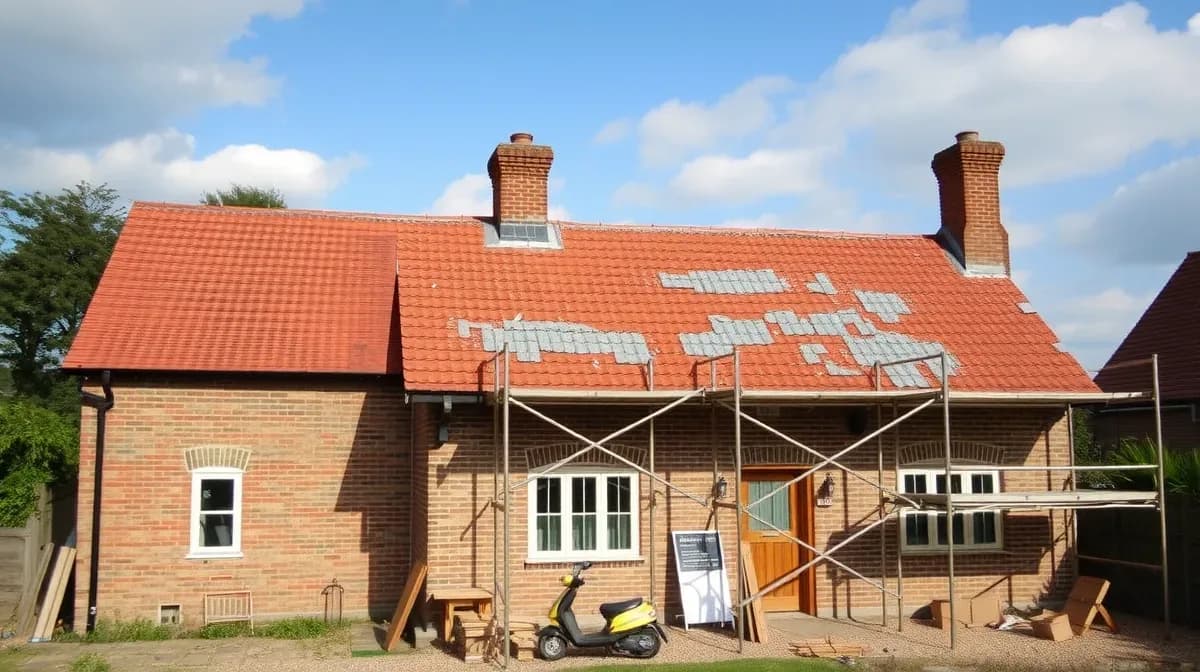
Re-Roofing & New Roofs in Newbury
Roofers for West Berkshire — repairs, re-roofs, flat roofs and leadwork. Free surveys, fixed written quotes, tidy workmanship.
Newbury Roofing Company strips and re-covers roofs across Newbury and West Berkshire — new roofs on 1930s semis around Wash Common, re-covers on farmhouses and cottages out towards Kintbury and Chieveley, and replacement roofs on the modern estates where the original covering has reached the end of a fifty-year life.
A re-roof is the one job where the specification matters more than the price. Everything under the tiles is invisible the moment the scaffold comes down, which is exactly why our quotes name the membrane, the batten grade, the fixings and the ridge system in writing before anyone starts.
What comes off, and what goes back on
The old covering, battens and felt come off in sections so the roof is never left open overnight. Rafters get inspected as they are exposed — rot at the feet is the usual find, priced per timber at a rate stated in the quote rather than sprung on you halfway through.
Then a breathable membrane, treated battens graded to BS 5534, and the covering, set out to the workmanship standards in BS 8000. The eaves get ventilated properly, because a modern membrane changes how the roof space breathes and getting that wrong swaps a leak for condensation.
Coverings we lay
Concrete interlocking and plain tile from Marley and Redland, machine-made clay from Sandtoft, handmade peg tiles on period property, natural and fibre cement slate.
Fixing spec worked out for the site
BS 5534 sets fixings by wind loading, not habit. A sheltered town roof needs less than an open downland slope above the Lambourn valley, and we calculate rather than guess.
Dry ridge and dry verge
Mechanically fixed ridge and verge instead of mortar — the single biggest improvement available on an exposed roof.
Everything else while the scaffold is up
Fascias, soffits, gutters, flashings and roof windows cost a fraction to do now against a separate visit later.
Re-roofing prices by property
| Roof | Concrete tile | Clay or slate | Days on site |
|---|---|---|---|
| 2-bed terrace | £5,500 – £9,000 | £8,500 – £15,000 | 4–7 |
| 3-bed semi | £6,500 – £11,000 | £10,000 – £18,000 | 5–9 |
| 4-bed detached | £9,000 – £16,000 | £14,000 – £26,000 | 7–12 |
| Cottage or farmhouse, complex roof | £12,000 – £22,000 | £18,000 – £35,000 | 10–18 |
| Bungalow, 2–3 bed | £7,000 – £13,000 | £11,000 – £20,000 | 5–9 |
2026 ranges including scaffold, strip, membrane, battens, fixings and waste removal. Full cost breakdown on our new roof cost page.
Rural re-roofs run differently
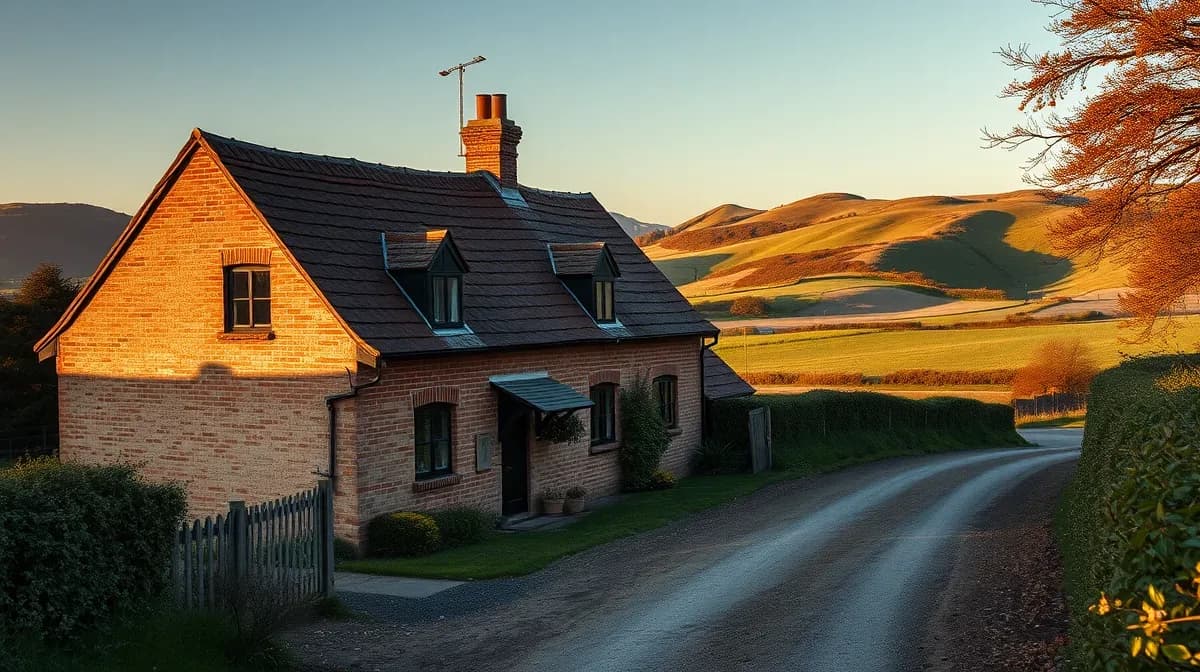
Three things separate a village re-roof from one in town. Scaffold has to stand on ground that is rarely level and often shared with a lane, a bank or a paddock, so the design is worked out at survey rather than assumed. Skips cannot always get close, which means grab access or a longer barrow run — a line in the quote, not a surprise. And the weather window matters more: an open roof on a ridge above the Kennet is a different risk from one behind a terrace, so we work in tighter sections and will delay a strip rather than start in front of a bad forecast.
It also means planning the job as one continuous run on site. Three days here, a fortnight away, then back is how rural jobs go wrong.
Want the numbers broken down?
Full 2026 price tables by house type and covering.
Frequently asked questions
Ready for a free, no-obligation quote?
Call 01635 927069